
Why Psychedelics Produce Mystical Experiences in Some People But Not Others
The biology and psychology behind profound versus recreational psychedelic experiences...

When two people take the same dose of psilocybin in the same setting, one might encounter what they describe as the most spiritually significant experience of their life. For some, this is accompanied by a sense of unity with all existence, an encounter with the sacred and ultimately something ineffable, profound and brimming with meaning.
The other might simply see beautiful patterns, laugh with friends and have an outrageous evening.
I have always been really fascinated by this question… and equally curious.
This isn’t a trivial question. Over the past two decades, researchers have discovered that mystical-type experiences on psychedelics aren’t just more intense trips—they’re qualitatively different states that predict therapeutic outcomes, lasting personality changes, and sustained improvements in wellbeing. So much so that in my guiding practice Legacy Journeys, this has always been at the core of our therapeutic thesis.
Understanding what separates mystical experiences from recreational ones has become central to both psychedelic science and the broader question of how consciousness encounters the transcendent.
The answer, it turns out, involves a convergence of factors spanning genetics, personality, mental state, preparation and environment. And researchers can now predict, with surprising accuracy, who will encounter the sacred.
This article is a deeper dive into the existing research around this topic.
Measuring the Mystical
Before we can explain why some people have mystical experiences, we need to establish what we’re actually measuring. This isn’t as straightforward as it sounds.
Even though mystical experiences have been reported across cultures and traditions for millennia, it’s only been in the past 60 years or so when researchers have developed instruments to measure them with scientific precision.
The current gold standard is the Mystical Experience Questionnaire (MEQ30), which traces its origins to Walter Pahnke’s 1963 doctoral work at Harvard. Pahnke operationalized philosopher Walter Stace’s phenomenological criteria for mystical consciousness, creating a framework that could distinguish genuine mystical states from merely intense drug effects (Barrett et al.).
The MEQ30 measures four dimensions:
A core mystical factor encompassing unity (internal and external), noetic quality (sense of ultimate truth), and sacredness
Positive mood including joy, peace, and love
Transcendence of time and space
Ineffability (the sense that the experience defies description)
A “complete” mystical experience requires scoring above 60% on all four subscales—a threshold that proves remarkably consequential. Participants meeting this criterion show enduring personality changes and therapeutic benefits that those falling just below it do not.
Importantly, this phenomenological signature appears consistent across contexts. Ralph Hood’s independently developed Mysticism Scale has demonstrated that mystical experiences share a common core across religious traditions—Buddhists, Hindus, Christians, Muslims, atheists, meditators, and psychedelic users all produce statistically similar scores on the non-interpretive factor. As Hood has noted, the scale identifies “that same experience with people in deep meditative prayer; people who have it occur spontaneously; and among people who take drugs.”
When Roland Griffiths and colleagues administered psilocybin to 36 hallucinogen-naïve adults in their landmark 2006 study, 58% met criteria for a complete mystical experience. At 14-month follow-up, 67% rated the session among the five most spiritually significant experiences of their entire lives (Griffiths et al., “Psilocybin Can Occasion”).
But here’s the critical finding: at identical doses, some participants had profound unity experiences while others had pleasant but unremarkable sessions.
The Personality Gateway
The most comprehensive analysis of what predicts psychedelic responses remains a 2012 study by Erich Studerus and colleagues at the University of Zurich. They pooled data from 23 controlled psilocybin studies encompassing 409 drug sessions in 261 healthy volunteers—the largest dataset of its kind at the time.
Drug dose explained approximately 60% of variance in overall consciousness alteration. That’s substantial, but it left 40% unexplained. The second most powerful predictor, explaining roughly 20% of variance in mystical-type experiences, was the personality trait of absorption.
Absorption, measured by the Tellegen Absorption Scale, captures an individual’s tendency to become completely immersed in sensory, imaginative, or ideational experiences. Think of it as the disposition for episodes of total attentional engagement.
Imagine getting lost in a sunset, being completely absorbed in music or deeply immersed in a film to the point where the boundary between observer and experience blurs.
This trait isn’t just psychological abstraction. Approximately 50% of individual variation in absorption is heritable, and there’s a direct genetic link to psychedelic responsiveness. Ott and colleagues demonstrated that the T/T genotype of the T102C polymorphism affecting 5-HT2A receptor binding—the very receptor through which psilocybin exerts its primary action—was associated with significantly higher absorption scores in 336 subjects.
This finding is remarkable because it creates a coherent chain:
gene → receptor → personality trait → mystical experience susceptibility
Your DNA influences how your serotonin receptors function, which influences how absorbed you can become in experience, which influences whether a psychedelic will produce mystical consciousness.
Multiple studies have confirmed absorption as “the personality trait most consistently linked to psychedelic drug reactions” (Aday et al.). A 2018 prospective study of 654 individuals planning naturalistic psychedelic use found that absorption predicted all aspects of the acute experience—mystical, challenging, and visual (Haijen et al.).
The other Big Five personality trait that consistently predicts mystical experience is Openness to Experience—closely related to absorption but measuring intellectual curiosity, aesthetic appreciation and willingness to entertain unconventional ideas.
And here’s where it gets fascinating: the relationship is bidirectional.
Katherine MacLean and colleagues at Johns Hopkins demonstrated that participants who had a complete mystical experience on psilocybin showed significant, enduring increases in Openness—increases “larger in magnitude than changes in personality typically observed in healthy adults over decades of life experience.” Those who did not have a complete mystical experience showed no personality change (MacLean et al.).
This was the first demonstration that a single discrete event could produce lasting personality change in healthy adults. It suggests a self-reinforcing cycle: higher openness predisposes you to mystical experience, which further increases your openness, which makes future mystical experiences more likely.
What Happens in the Brain
The neuroscience reveals why personality traits like absorption matter so much. If you are into brains, then you are going to like this part…
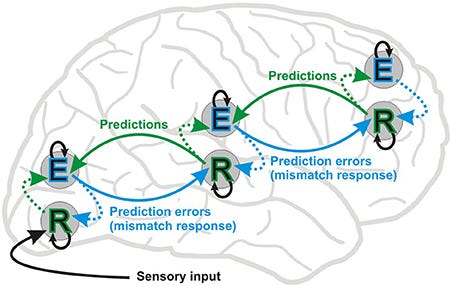
The REBUS model (Relaxed Beliefs Under Psychedelics), articulated by Robin Carhart-Harris and Karl Friston, provides the most comprehensive framework. Under this model, psychedelics relax the precision weighting of high-level priors—the brain’s top-down predictions about reality—thereby liberating bottom-up information flow from limbic and sensory systems.
The default mode network (DMN) becomes the primary target of this disruption. This network, which includes the medial prefrontal cortex and posterior cingulate cortex, is central to self-referential processing—the constant internal narrative of “I am me, separate from you, moving through time toward goals.”
Here’s the cascade during a mystical experience:
Psilocin activates 5-HT2A receptors on Layer V pyramidal neurons in the prefrontal cortex
This triggers secondary glutamate release
The DMN desynchronizes—key areas stop reinforcing self-narratives
Cross-network connectivity expands as brain networks that normally operate in isolation begin interacting more freely
Subjectively, this manifests as loss of boundary awareness, merging with surroundings, and the sense of unity that defines the mystical state
Individual variation occurs at multiple biological levels. Barrett and colleagues used PET imaging to measure 5-HT2A receptor occupancy during psilocybin sessions, finding an average occupancy of 39.5% with a standard deviation of 10.9%—substantial individual variability (Barrett et al., “Classic Hallucinogens”).
People high in absorption appear to have DMNs that are more easily disrupted, more willing to release their grip on the narrative self. The trait of absorption may reflect, at a neural level, how rigidly or flexibly the default mode network maintains its hierarchical control.
The Psychology of Surrender
Among state-level predictors—factors related to your mental state at the time of ingestion rather than enduring traits—none has proven more consequential than surrender.
Hannah Russ, Robin Carhart-Harris, and colleagues developed the State of Surrender scale and found that their model explained 66% of variance in mystical experience scores. Surrender at session onset was the single strongest state-level predictor of mystical experience, while preoccupation—mental apprehension and inability to release control—most strongly predicted adverse reactions.
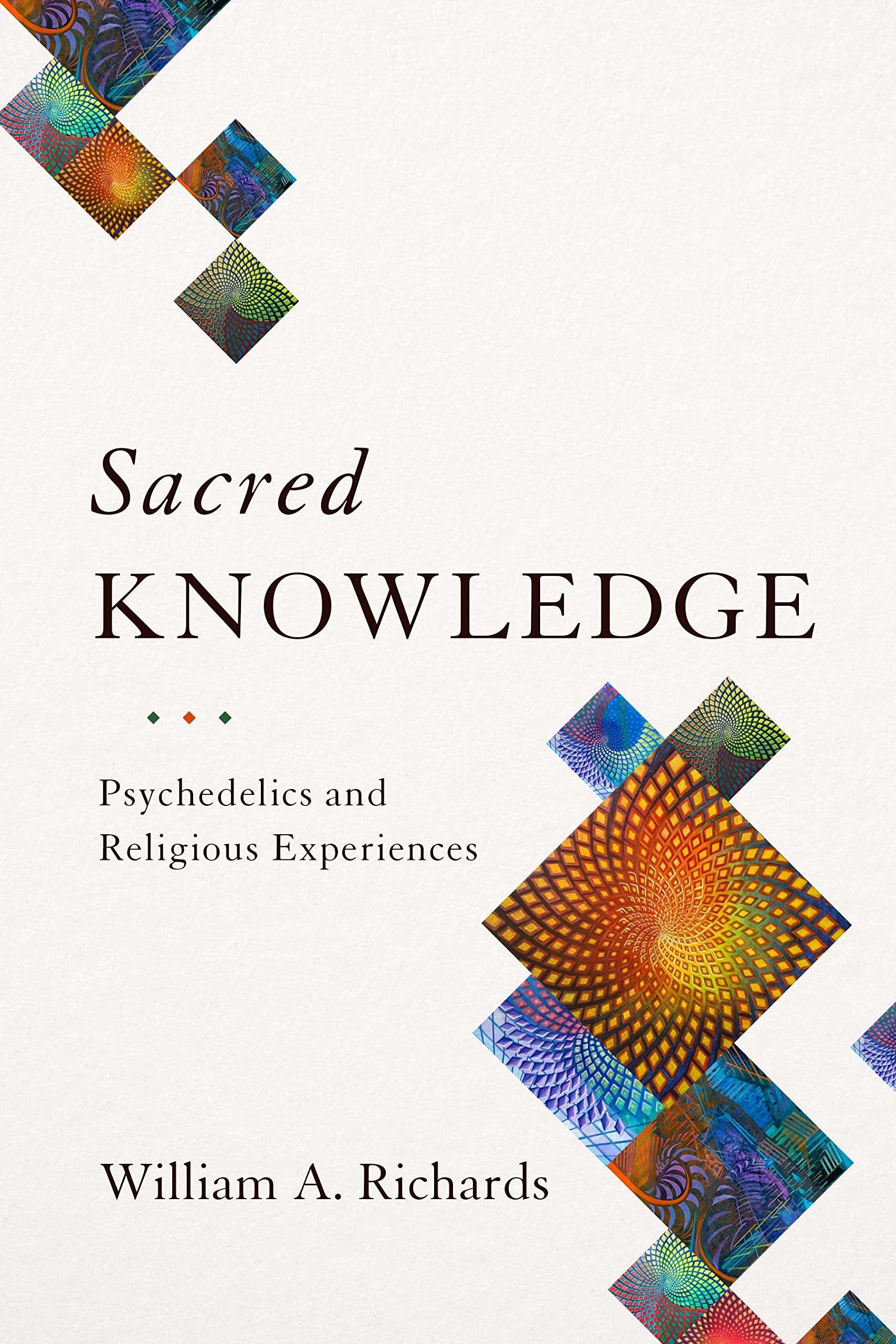
William (Bill) Richards, who has guided more psychedelic therapy sessions than perhaps any living researcher, and who wrote one of my favorite books, Sacred Knowledge, describes the process as “ego death—or the process of awakening to an eternal realm within consciousness, often described as non-dual, unitive or mystical.”
Those who surrender to this process “typically recall it as having felt ‘more real’ than our usual awareness in everyday existence.”
The challenge, as Alan Davis of Johns Hopkins has observed, is that “people who have experienced trauma are not very high in surrender, because they are anxious all the time about their past traumatic experiences.” This helps explain why the same dose can produce transcendence in one person and terror in another.
Intentions also matter profoundly. Haijen and colleagues found that spiritual and personal-growth intentions significantly predicted mystical experience intensity, while recreational intentions showed a negative correlation. A 2025 study confirmed that spiritual, therapeutic, and self-exploratory intentions exert greater influence on mystical experience than recreational motivations (Laird et al.).
In naturalistic settings where people take psychedelics at festivals or parties, only 32.6% achieve a complete mystical experience—roughly half the rate seen in well-prepared clinical settings. The difference isn’t the drug; it’s everything surrounding it.
When Meditation Meets Molecules
The strongest evidence for the role of non-pharmacological factors comes from an extraordinary 2019 study by Milan Smigielski and colleagues at the University of Zurich.
They administered psilocybin to 39 experienced Zen Buddhist practitioners during a five-day mindfulness retreat. The dose (315 μg/kg) was roughly equivalent to what previous studies had used with non-meditators, where about 44% achieved complete mystical experiences.
The result: 19 of 20 participants (95%) receiving psilocybin met criteria for a complete mystical experience.
That’s more than double the rate in standard laboratory studies. And equally remarkable: these meditators experienced self-dissolution virtually without anxiety—a finding that stands in sharp contrast to Griffiths’ observation that 39% of non-meditating volunteers at comparable doses experienced extreme fear.
Meditation depth assessed the day before drug administration significantly predicted the intensity of mystical experience. Emotional reappraisal—a cognitive emotion regulation strategy cultivated in meditation training—counteracted anxiety during ego dissolution. The data suggest that meditation training serves a dual function: it both potentiates mystical experience and buffers against the anxiety that can accompany it. Double whammy.
This makes sense when you consider that both meditation and psychedelics target the same neural networks. Both reduce DMN activity, particularly the connection between the medial prefrontal cortex and posterior cingulate cortex that maintains the narrative self. As Griffiths observed: “Psilocybin looks very much like meditation in its effects on the DMN.”
The phenomenological overlap is substantial. Roland Griffiths’ survey comparing “God encounter experiences” across non-drug, psilocybin, LSD, ayahuasca, and DMT groups found that “the similarities among all groups were more striking than the differences” in core phenomenological features (Griffiths et al., “Survey of Subjective”).
Key differences remain, of course. Psychedelic mystical experiences typically include vivid perceptual distortions and visions that are rare in meditation-induced states. And meditation can produce “content-free” pure consciousness states that psychedelics approach only at extreme doses. But the core experience of unity, transcendence of time and space, noetic quality, sacredness, and ineffability appears remarkably consistent across methods.
There’s a profound implication here: the mystical experience is not purely drug-induced. The molecule creates conditions, but the mind’s training determines what unfolds.
I find this extremely fascinating.
Setting the Stage for the Sacred
Now, while anyone who has done psychedelics and listened to music together will know, music, it turns out, isn’t just part of the background.
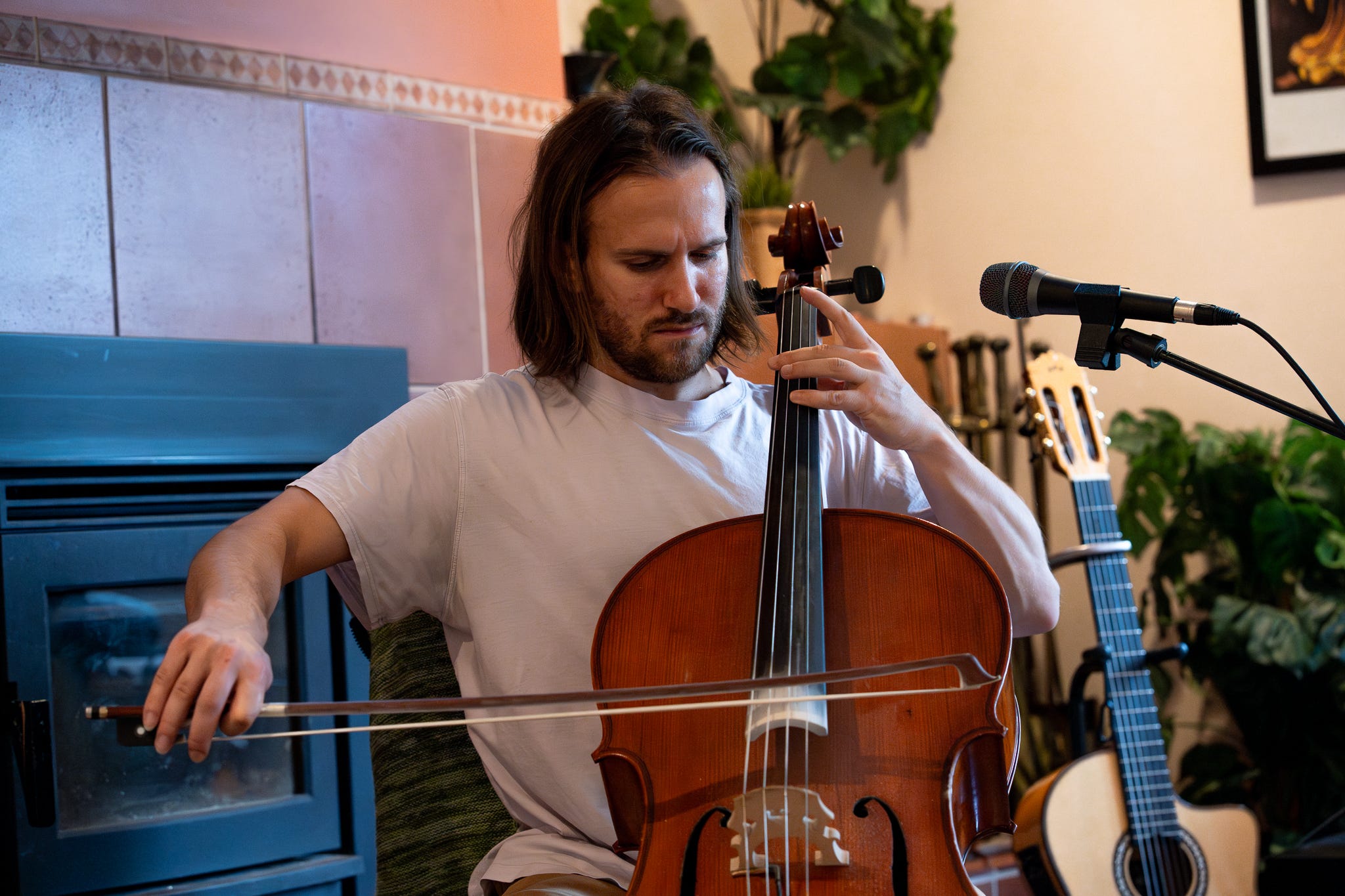
With my work I do at Legacy Journeys, I consider the role of music to be equally, if not more important, than the role of guide and I am so grateful to work with an incredibly talented musician who provides live music for the entire duration of our ceremonies.
From my own direct experience guiding hundreds of journeys now, I can confidently say music, and specifically live music, is a deep and meaningful factor in this work.
It’s truly something special… and it turns out, researchers have studied the role as music as well.
Mendel Kaelen and colleagues demonstrated that the quality of the music experience during psilocybin sessions was significantly predictive of both mystical experience and therapeutic outcomes—and that the nature of the music experience predicted reductions in depression one week later, whereas general drug intensity did not.
Frederick Barrett and Roland Griffiths characterized peak-supporting music as having “regular, predictable, formulaic phrase structure, a feeling of continuous movement and forward motion that slowly builds over time, and lower perceptual brightness.”
A randomized comparison found that overtone-based music tended to produce higher mystical experience scores than Western classical selections (Johnson et al.).
The Johns Hopkins protocol that has become the gold standard includes:
Extensive screening and medical/psychological evaluation
8+ hours of preparatory meetings to build trust with guides
An aesthetic living-room-like setting with cultural relics from various faith traditions
Eye masks to facilitate inward focus
Headphones with a carefully curated music program
Multiple post-session integration meetings
Each element appears to matter. Remove the preparation, and people are more likely to resist rather than surrender. Remove the trusted guides, and anxiety increases. Remove the music, and the experience becomes harder to navigate. Remove the integration, and insights fade.
The dose matters enormously as well—complete mystical experience rates increase from near-zero at placebo to 56% at 30 mg/70 kg psilocybin in standard settings. But that same dose, combined with deep meditation practice, produces mystical experiences in 95% of participants. The difference between 56% and 95% is preparation and set.
Putting It All Together
So why do some people have mystical experiences on psychedelics while others just have fun?
The answer involves at least six levels of determination:
Molecular level: Genetic polymorphisms in the 5-HT2A receptor gene create up to 7-fold differences in how strongly psilocybin binds to its target. Some people’s brains are simply more responsive to the molecule.
Circuit level: Individual differences in default mode network connectivity determine how easily psychedelics can disrupt self-referential processing. Some networks hold more tightly than others.
Trait level: Absorption and Openness to Experience create enduring predispositions. People who can naturally become absorbed in experience are more likely to dissolve into mystical states.
State level: Surrender versus resistance at the time of ingestion is the most powerful state-level predictor. Clear spiritual intentions enhance mystical experience; recreational intentions diminish it.
Environmental level: Preparation, trusted guides, resonant music, comfortable setting, and integration support collectively transform the probability landscape. Clinical settings produce mystical experiences at rates more than double those in naturalistic contexts.
Dose level: The strongest single pharmacological predictor, but not deterministic. Higher doses increase probability but don’t guarantee mystical experience.
The most important insight is this: mystical experience on psychedelics is neither random nor purely pharmacological. It’s the product of a prepared mind meeting an adequate dose in a supportive context.
What This Means for Seekers
If you’re considering working with psychedelics and hoping for a mystical experience rather than just a recreational one, the research points to clear recommendations:
Cultivate absorption. Practices that enhance your capacity for immersive attention—meditation, contemplative prayer, deep engagement with art or nature—appear to create more fertile ground for mystical states.
Approach with intention. Spiritual and therapeutic intentions predict mystical experience, while recreational intentions diminish it. This doesn’t mean you need to be religious, but it does mean framing the experience as sacred rather than merely entertaining. Reverence is key here.
Prepare thoroughly. The difference between 32% mystical experience rates (naturalistic use) and 56% (clinical settings) is preparation. Spend time with trusted guides. Clarify your intentions. Create a safe container.
Practice surrender. The ability to release control, to stop struggling against what’s unfolding, is perhaps the most trainable predictor of mystical experience. Meditation and breathwork can cultivate this capacity.
Consider meditation training. The Smigielski study suggests that contemplative practice doesn’t just make mystical experiences more likely—it makes them less frightening and more integrable. The 95% mystical experience rate among experienced meditators, compared to 44% among non-meditators at the same dose, is one of the most striking findings in the literature.
Respect dose. While higher doses increase the probability of mystical experience, they also increase intensity and potential difficulty. Working with experienced guides to find the right dose for your physiology and experience level is crucial.
Beyond the Binary
Of course, framing this as “mystical versus recreational” creates a false binary. Many experiences fall somewhere in between and I have written about this before.
The lines between recreational and therapeutic psychedelic use are very blurry.
Moments of beauty and connection that don’t meet the formal criteria for complete mystical experience but nonetheless feel meaningful and transformative.
And the research suggests that even partial mystical experiences—those that don’t quite cross the 60% threshold on all four subscales—can produce benefits. The question isn’t really “mystical or worthless” but rather “what factors move us along the spectrum from pleasant recreation toward profound encounter with the sacred?”
The answer appears to be: genetics provide a foundation, personality traits create predispositions, mental states at the time of ingestion serve as gatekeepers, and environmental factors amplify or dampen the signal.
What’s remarkable is how much agency we have within this framework. We can’t change our genetics, but we can cultivate absorption through practice. We can’t control our baseline personality, but we can approach with clear intention. We can’t guarantee a mystical experience, but we can create conditions that make it vastly more likely.
The mystics and contemplatives have been saying something similar for millennia:
Grace may be freely given, but we can prepare the ground.
The psychedelic research has simply provided the empirical validation and specified what that preparation should look like.
At the intersection of ancient wisdom and modern neuroscience, we’re learning that the mystical dimension of consciousness is not reserved for saints and yogis. It’s a state available to ordinary people… but it requires preparation, intention and the right conditions.
The difference between a recreational trip and a life-altering mystical experience isn’t just luck. It’s preparation meeting opportunity in a moment of profound surrender.
For seekers who want to deepen their inner work in a therapeutic and guided psychedelic ceremony, I invite you to check out a retreat or private session with my team at Legacy Journeys.
For entrepreneurs or builders who are looking to improve focus, systematize their work in the age of AI, and build amazing things, check out Reclaimer.
Additional Offerings 🤍
Works Cited
Aday, Jacob S., et al. “Predicting Reactions to Psychedelic Drugs: A Systematic Review of States and Traits Related to Acute Drug Effects.” ACS Pharmacology & Translational Science, vol. 4, no. 2, 2021, pp. 424-435. PubMed Central, https://pmc.ncbi.nlm.nih.gov/articles/PMC8033773/.
Barrett, Frederick S., and Roland R. Griffiths. “Classic Hallucinogens and Mystical Experiences: Phenomenology and Neural Correlates.” Current Topics in Behavioral Neurosciences, vol. 36, 2017, pp. 393-430. PubMed, https://pubmed.ncbi.nlm.nih.gov/28401522/.
Barrett, Frederick S., et al. “Validation of the Revised Mystical Experience Questionnaire in Experimental Sessions with Psilocybin.” Journal of Psychopharmacology, vol. 29, no. 11, 2015, pp. 1182-1190. PubMed Central, https://pmc.ncbi.nlm.nih.gov/articles/PMC5203697/.
Carhart-Harris, Robin L., and Karl J. Friston. “REBUS and the Anarchic Brain: Toward a Unified Model of the Brain Action of Psychedelics.” Pharmacological Reviews, vol. 71, no. 3, 2019, pp. 316-344. ScienceDirect, https://www.sciencedirect.com/science/article/pii/S0031699724012961.
Gattuso, Joseph J., et al. “Default Mode Network Modulation by Psychedelics: A Systematic Review.” International Journal of Neuropsychopharmacology, vol. 26, no. 3, 2023, pp. 155-188. PubMed Central, https://pmc.ncbi.nlm.nih.gov/articles/PMC10032309/.
Griffiths, Roland R., et al. “Psilocybin Can Occasion Mystical-Type Experiences Having Substantial and Sustained Personal Meaning and Spiritual Significance.” Psychopharmacology, vol. 187, no. 3, 2006, pp. 268-283. PubMed, https://pubmed.ncbi.nlm.nih.gov/16826400/.
Griffiths, Roland R., et al. “Psilocybin Occasioned Mystical-Type Experiences: Immediate and Persisting Dose-Related Effects.” Psychopharmacology, vol. 218, no. 4, 2011, pp. 649-665. PubMed Central, https://pmc.ncbi.nlm.nih.gov/articles/PMC3308357/.
Griffiths, Roland R., et al. “Psilocybin-Occasioned Mystical-Type Experience in Combination with Meditation and Other Spiritual Practices Produces Enduring Positive Changes in Psychological Functioning and in Trait Measures of Prosocial Attitudes and Behaviors.” Journal of Psychopharmacology, vol. 32, no. 1, 2018, pp. 49-69. SAGE Journals, https://journals.sagepub.com/doi/10.1177/0269881117731279.
Griffiths, Roland R., et al. “Survey of Subjective ‘God Encounter Experiences’: Comparisons Among Naturally Occurring Experiences and Those Occasioned by the Classic Psychedelics Psilocybin, LSD, Ayahuasca, or DMT.” PLOS ONE, vol. 14, no. 4, 2019, e0214377. PLOS, https://journals.plos.org/plosone/article?id=10.1371/journal.pone.0214377.
Haijen, Eline C. H. M., et al. “Predicting Responses to Psychedelics: A Prospective Study.” Frontiers in Pharmacology, vol. 9, 2018, article 897. Frontiers, https://www.frontiersin.org/journals/pharmacology/articles/10.3389/fphar.2018.00897/full.
Johnson, Matthew W., et al. “Classic Psychedelics: An Integrative Review of Epidemiology, Therapeutics, Mystical Experience, and Brain Network Function.” Pharmacology & Therapeutics, vol. 197, 2019, pp. 83-102. SAGE Journals, https://journals.sagepub.com/doi/10.1177/0269881111420188.
Kaelen, Mendel, et al. “The Hidden Therapist: Evidence for a Central Role of Music in Psychedelic Therapy.” Psychopharmacology, vol. 235, no. 2, 2018, pp. 505-519. AKJournals, https://akjournals.com/view/journals/2054/6/1/article-p31.xml.
Laird, Kirsten T., et al. “Exploring Factors Associated with the Intensity of a Mystical Experience Following Naturalistic Psychedelic Use: A Retrospective Survey.” Journal of Psychopharmacology, vol. 39, no. 2, 2025, pp. 156-168. ScienceDirect, https://www.sciencedirect.com/science/article/abs/pii/S0278584625000545.
MacLean, Katherine A., et al. “Mystical Experiences Occasioned by the Hallucinogen Psilocybin Lead to Increases in the Personality Domain of Openness.” Journal of Psychopharmacology, vol. 25, no. 11, 2011, pp. 1453-1461. PubMed Central, https://pmc.ncbi.nlm.nih.gov/articles/PMC3537171/.
Ott, Ulrich, et al. “Evidence for a Common Biological Basis of the Absorption Trait, Hallucinogen Effects, and Positive Symptoms: Epistasis Between 5-HT2a and COMT Polymorphisms.” American Journal of Medical Genetics Part B: Neuropsychiatric Genetics, vol. 137B, no. 1, 2005, pp. 29-32. PubMed, https://pubmed.ncbi.nlm.nih.gov/15965969/.
Russ, Hannah A., et al. “States and Traits Related to the Quality and Consequences of Psychedelic Experiences.” Psychology of Consciousness: Theory, Research, and Practice, vol. 6, no. 1, 2019, pp. 1-21. Experts@Minnesota, https://experts.umn.edu/en/publications/states-and-traits-related-to-the-quality-and-consequences-of-psyc/.
Schmitz, Gavin P., et al. “5-HT2A SNPs Alter the Pharmacological Signaling of Potentially Therapeutic Psychedelics.” ACS Chemical Neuroscience, vol. 13, no. 16, 2022, pp. 2341-2350. PubMed, https://pubmed.ncbi.nlm.nih.gov/35894503/.
Smigielski, Lukasz, et al. “Psilocybin-Assisted Mindfulness Training Modulates Self-Consciousness and Brain Default Mode Network Connectivity with Lasting Effects.” NeuroImage, vol. 196, 2019, pp. 207-215. PubMed, https://pubmed.ncbi.nlm.nih.gov/30965131/.
Studerus, Erich, et al. “Prediction of Psilocybin Response in Healthy Volunteers.” PLOS ONE, vol. 7, no. 2, 2012, e30800. PLOS, https://journals.plos.org/plosone/article?id=10.1371/journal.pone.0030800.
Tellegen, Auke, et al. “Personality Similarity in Twins Reared Apart and Together.” Journal of Personality and Social Psychology, vol. 54, no. 6, 1988, pp. 1031-1039.
Beautiful piece.
I can attest to my own experience. The first time I did psilocybin— 2g— I had a full blown mystical experience that would go on to change the entire course of my life forever.
I did it with one of my best friends. It’s fascinating to see how we went on the same trip but came out of it over 5 years later living almost the complete opposite lives.
There’s interesting work in religious studies now criticizing the limits of the MEQ-30 because of how it’s based on an incomplete and perennial philosophy of spirituality. Pankhe was really into vedanta / non-dual / eastern spiritual philosophy but didn’t consider the many other traditions and thus forms / types of mystical experience documented through time.
While I’m also more into eastern spiritual philosophies I think its interesting to question whether defining mystical experience so narrowly is good or not.
Curious what you think about that.
Nice work 🙏